

Introduction
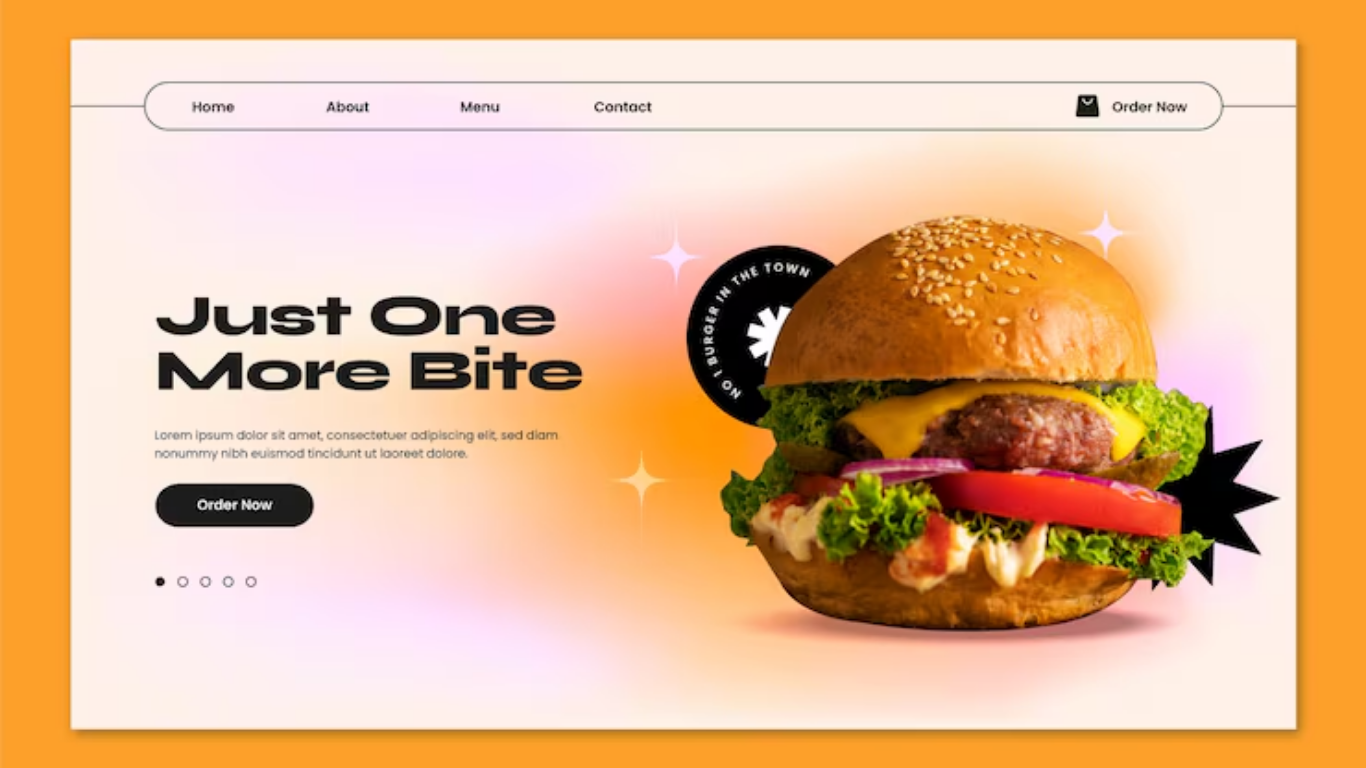
Fast food websites have become an important part of how people discover restaurants, explore menus, compare meal options, and place food orders. Whether someone wants a burger, pizza, fried chicken, sandwiches, or a quick snack, a well-designed website can make the entire process easier. Customers can explore available products, check prices, learn about meal deals, and find information about nearby restaurant locations without visiting a branch first.
The keyword fast food websites can refer to official restaurant websites, online food ordering platforms, or websites that help people discover fast food restaurants. Each type serves a slightly different purpose, but the main goal is to provide useful information and make the customer experience convenient.
In 2026, mobile-friendly layouts, clear menus, accurate restaurant information, and simple ordering processes remain important features of successful fast food websites. However, not every website offers the same services. Some allow customers to order directly, while others direct visitors to a separate ordering platform or provide information about restaurant locations and products.
This guide explores popular fast food website examples, essential features, online ordering options, and practical tips for choosing a website that meets your needs.
Quick Bio: Fast Food Websites
| Feature | Details |
|---|---|
| Main topic | Fast food websites |
| Website types | Restaurant websites, ordering platforms, restaurant directories |
| Common food categories | Burgers, pizza, chicken, sandwiches, wraps and sides |
| Main purpose | Display menus, share information and support ordering |
| Common features | Food photos, prices, locations and contact details |
| Ordering options | Delivery, pickup or external ordering services, where available |
| Common devices | Smartphones, tablets and computers |
| Important consideration | Location-specific menus, prices and availability |
| Best website qualities | Clear navigation, accurate information and convenient access |
Quick Guide: What to Look for on Fast Food Websites
| Website Feature | Why It Matters |
|---|---|
| Online menu | Helps customers explore available food |
| Current prices | Makes it easier to compare meal costs |
| Food photography | Shows customers what menu items look like |
| Location finder | Helps visitors identify nearby branches |
| Delivery and pickup | Explains available ordering methods |
| Mobile-friendly design | Improves usability on smaller screens |
| Deals and promotions | Displays available offers and meal combinations |
| Contact information | Helps customers ask questions or resolve problems |
| Allergen information | Supports more informed food choices |
| Secure checkout | Helps protect payment and personal information |
What Are Fast Food Websites?
Fast food websites are online platforms that provide information about quick-service restaurants and their products. They may belong to individual restaurants, large restaurant chains, independent takeaway businesses, or third-party ordering services.
An official restaurant website usually represents a particular brand. It may include a menu, nutritional information, branch details, employment opportunities, promotional campaigns, and links for placing orders.
Online food ordering websites focus more directly on helping customers select meals and complete transactions. Depending on the service, users may be able to choose delivery or collection, customize menu items, select payment methods, and receive order updates.
Restaurant directory websites serve another purpose. They help visitors discover different food businesses, compare options, read customer reviews, and identify restaurants in a particular area.
Understanding these differences makes it easier to select the right website. Someone looking for an official menu may prefer a restaurant’s own website, while someone comparing several local takeaway options may find a directory or ordering marketplace more useful.
Popular Fast Food Websites to Explore
Several well-known restaurant chains operate official websites where visitors can explore their brands, menus, and services. The exact features available depend on the country, restaurant branch, and ordering arrangements.
1. McDonald’s
McDonald’s is a globally recognized quick-service restaurant brand. Its official websites provide brand information, menu details, promotions, and restaurant location information in supported markets.
Depending on the country, visitors may also find nutritional details, allergen information, loyalty programmes, or online ordering options. Customers should use the website for their own region because menus, prices, offers, and available services can differ between markets.
McDonald’s is a useful example of how a large fast food brand can organize a broad menu while maintaining a recognizable visual identity.
2. Burger King
Burger King’s official websites showcase its burger-focused menu, sides, drinks, and other available products. Regional websites may feature promotional meals, restaurant locators, nutritional information, and ordering facilities.
For customers, a clear menu structure helps them identify products without searching through unrelated information. Promotional sections can also make it easier to understand which meal combinations or discounts are currently available.
The main lesson from this type of website is that recognizable product categories and clearly presented offers can improve the browsing experience.
3. KFC
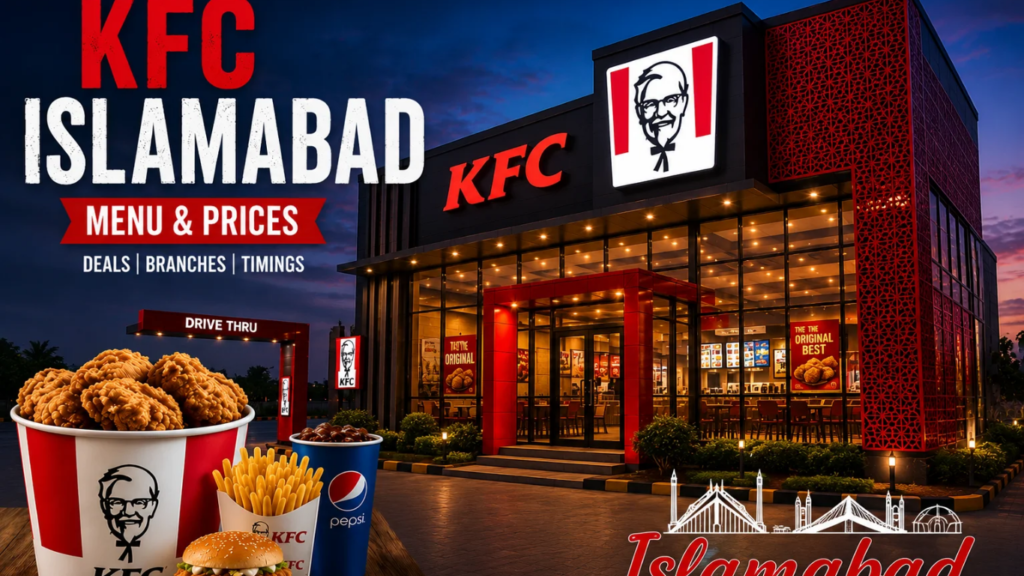
KFC specializes in fried chicken and related meal options. Its regional websites may display chicken buckets, burgers, wraps, sides, drinks, and family meal combinations.
Customers can explore the available menu and check whether delivery, collection, or branch information is provided for their location.
Food photography is particularly useful for a chicken restaurant because customers may want to distinguish between individual portions, sharing meals, and combination offers before ordering.
4. Subway
Subway is known for sandwiches and other customizable menu options. Its websites can help customers understand the available bread, fillings, toppings, sides, and meal combinations, depending on the market.
For restaurants offering customizable products, a website should explain the available choices clearly. Customers need to understand which ingredients and options are offered before they decide what to purchase.
Subway demonstrates why menu organization matters when customers have several ways to personalize their food.
5. Domino’s Pizza
Domino’s official websites are especially relevant to customers interested in pizza ordering. Depending on the market, visitors may be able to browse pizza varieties, select sizes, customize toppings, choose sides, and arrange delivery or collection.
A good pizza ordering experience presents customization choices in a logical sequence. Customers should be able to understand the selected size, toppings, and price before confirming an order.
Pizza websites also show the importance of communicating delivery arrangements, estimated preparation or delivery information where available, and order status.
6. Taco Bell
Taco Bell’s websites provide an example of a menu built around tacos, burritos, quesadillas, and other Mexican-inspired fast food products.
Regional websites may display limited-time products, meal combinations, ingredient details, and online ordering options.
When a restaurant offers many product variations, category navigation and clear product descriptions help customers find relevant items more efficiently.
7. Five Guys
Five Guys is known for burgers, fries, and related menu items. Its websites provide information about the restaurant brand, menu, and locations, with ordering features depending on the market.
A useful takeaway from burger-focused websites is that product presentation does not need to be complicated. Clear photographs, readable descriptions, and straightforward navigation can communicate the menu effectively.
These examples are starting points rather than a universal ranking of the best fast food websites. The most useful website depends on the customer’s location, food preferences, available services, and reason for visiting.
Essential Features of Good Fast Food Websites
A successful fast food website should help visitors find what they need without unnecessary effort. Attractive design is valuable, but it should support usability rather than distract from it.
1. A Clear and Organized Menu
The menu is one of the most important sections of a fast food website. Customers typically want to see what is available, how products differ, and how much each item costs.
Organizing food into categories such as burgers, chicken, pizza, sandwiches, sides, desserts, and drinks makes browsing more convenient.
Each menu item should have an accurate name and description. If customization is available, the website should explain the relevant choices and any additional charges before checkout.
Restaurant owners should update the online menu whenever products, prices, or availability change.
2. High-Quality Food Photography
Food images help visitors understand what a restaurant offers. Clear photographs can communicate portion style, presentation, ingredients, and the overall appearance of a meal.
Images should accurately represent the products customers can purchase. A photograph that creates unrealistic expectations may lead to disappointment, complaints, or reduced trust.
Website owners should also optimize image sizes so that photographs load efficiently on mobile connections. Large, uncompressed files can make pages slower, particularly for visitors using older devices or limited data plans.
3. Mobile-Friendly Design
Many customers access restaurant websites using smartphones. A website should therefore remain readable and easy to navigate on smaller screens.
Buttons should be easy to tap, menus should fit the display, and important information should not require excessive scrolling or zooming.
Mobile visitors should be able to find the menu, opening hours, location, and ordering options quickly.
A responsive website adjusts its layout to different screen sizes, helping provide a consistent experience across phones, tablets, and desktop computers.
4. Simple Online Ordering
When online ordering is available, the process should be straightforward. Customers should be able to select products, review their choices, customize eligible items, and understand the final cost.
A useful checkout process clearly displays the order summary, applicable taxes and fees where relevant, delivery charges, and payment options before the customer confirms the purchase.
Websites should also explain whether an order is for delivery or collection and provide realistic timing information when available.
Not every fast food website processes orders itself. Some connect visitors to an external ordering service, so customers should check where the transaction will take place.
5. Accurate Location and Opening Hours
Customers need reliable information before travelling to a restaurant or placing an order.
A location page should provide the branch address, opening hours, contact information, and directions where available. If a business has several branches, a location finder can help visitors select the correct one.
Opening hours may vary between branches, particularly during holidays or special events. Website owners should avoid presenting one schedule as though it applies to every location.
For customers, checking the selected branch’s current information is more reliable than assuming all branches operate identically.
6. Deals and Promotional Offers
Fast food websites often use promotional sections to display discounts, meal combinations, seasonal products, and limited-time offers.
These sections can be helpful when the conditions are clear. A promotion should state its applicable dates, eligible products, participating locations, and any important restrictions.
Customers should check whether an offer is available for delivery, collection, or in-store purchases. A promotion shown on a national website may not necessarily apply to every branch or ordering channel.
Clear terms help prevent confusion and make it easier to compare offers fairly.
7. Nutritional and Allergen Information
Nutritional information helps customers understand the food they are considering. Depending on the restaurant and market, websites may provide calorie information, ingredient lists, or details about common allergens.
This information should be accurate, accessible, and updated when recipes or ingredients change.
Customers with food allergies should consult the restaurant’s current allergen information and contact the business if anything remains unclear. Menu descriptions or photographs alone cannot reliably establish that a product is free from a particular allergen.
Restaurants should also avoid making unsupported health claims about their products.
8. Secure and Trustworthy Checkout
A website that accepts online payments should use appropriate security measures and reputable payment processing arrangements.
Customers should review the final order details before payment and avoid sharing sensitive information through unofficial messages or suspicious links.
Clear business contact details, transparent charges, and understandable refund or cancellation policies also help establish trust.
A secure connection is important, but it does not automatically prove that a website or seller is legitimate. Customers should check the website address and confirm that they are using the intended restaurant or ordering service.
Benefits of Using Fast Food Websites
Fast food websites provide several practical advantages for customers and restaurant businesses.
Convenience: Customers can explore menu options without visiting a restaurant first. Where ordering is supported, they may also place an order online.
Better menu visibility: Descriptions, prices, and photographs help visitors understand available choices before making a decision.
Easier comparisons: Customers can compare products, meal sizes, prices, and available promotions across different restaurants.
Access to restaurant information: Websites can provide opening hours, locations, contact details, allergen information, and service updates.
More direct communication: Official websites give restaurants a place to publish accurate information about new products, operational changes, and special offers.
Improved ordering organization: Integrated ordering systems can help businesses receive and manage digital orders, although the actual benefits depend on the technology and the restaurant’s operations.
These benefits are not guaranteed simply because a restaurant has a website. Information must be maintained, pages should work correctly, and ordering systems must be reliable.
How to Choose the Right Fast Food Website
Choosing a website depends on what you want to accomplish.
If you already know which restaurant you want, start with its official website for the relevant country. This is often the most direct place to check the brand’s published menu, branch details, and available ordering methods.
If you are deciding what to eat, compare several websites. Consider the menu, prices, portion information, dietary requirements, location, and estimated delivery arrangements where provided.
If you need food delivered, confirm that the restaurant serves your address. Delivery availability may depend on distance, branch capacity, time of day, and local operating conditions.
If you prefer collection, check whether the website supports pickup and whether you must choose a particular branch.
Finally, review the complete cost before confirming your order. Product prices alone may not include delivery fees, service charges, taxes, or optional extras.
Fast Food Websites for Restaurant Owners
Restaurant owners can use a website to strengthen their online presence and make essential information easier to access.
A basic restaurant website should include a homepage, menu, location details, opening hours, contact information, and clear links to ordering services where available.
Businesses that accept orders directly may also need a product management system, payment integration, order notifications, and a process for handling unavailable items or customer requests.
Search engine optimization can help search engines understand a website’s content. Useful practices include descriptive page titles, informative menu descriptions, relevant location information, accessible images, and fast-loading pages.
For local discovery, restaurant details should be consistent across the website and other business listings. Accurate contact information and branch addresses help visitors identify the correct business.
A restaurant does not necessarily need a complicated website. A small takeaway may benefit more from a simple, well-maintained menu and a clear contact or ordering button than from expensive features that customers rarely use.
Before selecting a website builder or ordering platform, owners should compare setup costs, recurring fees, payment processing charges, customization options, support, and ownership arrangements.
Common Mistakes to Avoid
Several problems can make fast food websites less useful.
Outdated prices: Customers may lose confidence when online prices differ from the amount charged at checkout without a clear explanation.
Slow-loading pages: Oversized images, unnecessary scripts, and complicated layouts can make a website frustrating to use.
Unclear ordering buttons: Visitors should not have to search extensively for the menu, pickup option, or delivery link.
Missing branch information: A national website may not provide enough information for customers choosing a particular restaurant.
Misleading photographs: Food images should accurately represent the products being sold.
Hidden charges: Relevant fees should be displayed before customers confirm payment.
Unclear allergen information: Customers should have access to reliable ingredient and allergen details where provided by the business.
Broken links: Ordering links, menu pages, and contact buttons should be checked regularly.
Avoiding these mistakes improves usability and helps customers make informed decisions.
The Future of Fast Food Websites in 2026
Fast food websites continue to develop as customers expect convenient digital services. Mobile ordering, loyalty programmes, personalized offers, and integrated restaurant systems are already used by many businesses, although their availability differs by brand and market.
More restaurants are also focusing on direct ordering through their own websites. This can give businesses greater control over the ordering experience, but it requires suitable technology, accurate menus, secure payments, and effective order management.
Accessibility is another important consideration. Readable text, clear navigation, useful alternative text for images, and keyboard-friendly controls can help more people use restaurant websites.
Artificial intelligence may also support customer service, product recommendations, and business operations. However, automated features should provide accurate information and offer a practical way to resolve problems when they cannot answer a customer’s question.
The strongest websites will continue to focus on the basics: clear information, convenient navigation, reliable ordering, and customer trust. New technology is useful when it solves a real problem rather than adding unnecessary complexity.
Frequently Asked Questions
1. What are fast food websites?
Fast food websites are online platforms for quick-service restaurants, takeaway businesses, or food ordering services. They may display menus, prices, locations, promotions, and ordering options.
2. Which fast food websites are popular?
Examples of well-known restaurant brands with official websites include McDonald’s, Burger King, KFC, Subway, Domino’s, Taco Bell, and Five Guys. Available features depend on the country and selected location.
3. Can I order food directly from a fast food website?
Yes, when the restaurant provides online ordering in your area. Some websites process orders directly, while others send customers to a separate ordering service.
4. Are fast food website prices the same everywhere?
No. Prices can vary by country, branch, menu, promotion, and ordering channel. Check the selected restaurant’s current menu and final checkout total.
5. How can I find fast food websites near me?
Search for the type of food you want and your location, or use an official restaurant location finder. Confirm the branch address, operating hours, and service availability before visiting or ordering.
6. What should a good fast food website include?
Useful features include an organized menu, accurate prices, clear food images, location details, opening hours, contact information, and straightforward ordering options where available.
7. Are online food ordering websites safe?
Safety depends on the website and its security practices. Use the official restaurant website or a reputable service, check the web address, review charges, and use secure payment methods.
8. Do all fast food websites offer delivery?
No. Some provide delivery, some offer collection, and others mainly display information. Availability also depends on the restaurant’s location and operating arrangements.
9. Can fast food websites show allergen information?
Some websites provide ingredient, allergen, or nutritional details. Customers with allergies should verify current information directly with the restaurant if they have any uncertainty.
10. Why do restaurants need fast food websites?
A website can help restaurants display menus, share accurate business information, attract search traffic, communicate offers, and provide a convenient path to online ordering.
Conclusion
Fast food websites make it easier for customers to explore restaurant menus, compare meals, check locations, and discover available ordering options. Popular brands such as McDonald’s, Burger King, KFC, Subway, Domino’s, Taco Bell, and Five Guys demonstrate different ways to present food products and restaurant information online.
The best website for an individual customer depends on location, menu availability, price, dietary needs, and preferred ordering method. Restaurant owners, meanwhile, should prioritize accurate information, mobile-friendly design, straightforward navigation, and dependable ordering processes.
Ultimately, a useful fast food website does more than display attractive food photographs. It helps customers find the right information, understand their choices, and take the next step with confidence.
Read More https://dotblaster.co.uk/manhattan-night-court-hours/
