

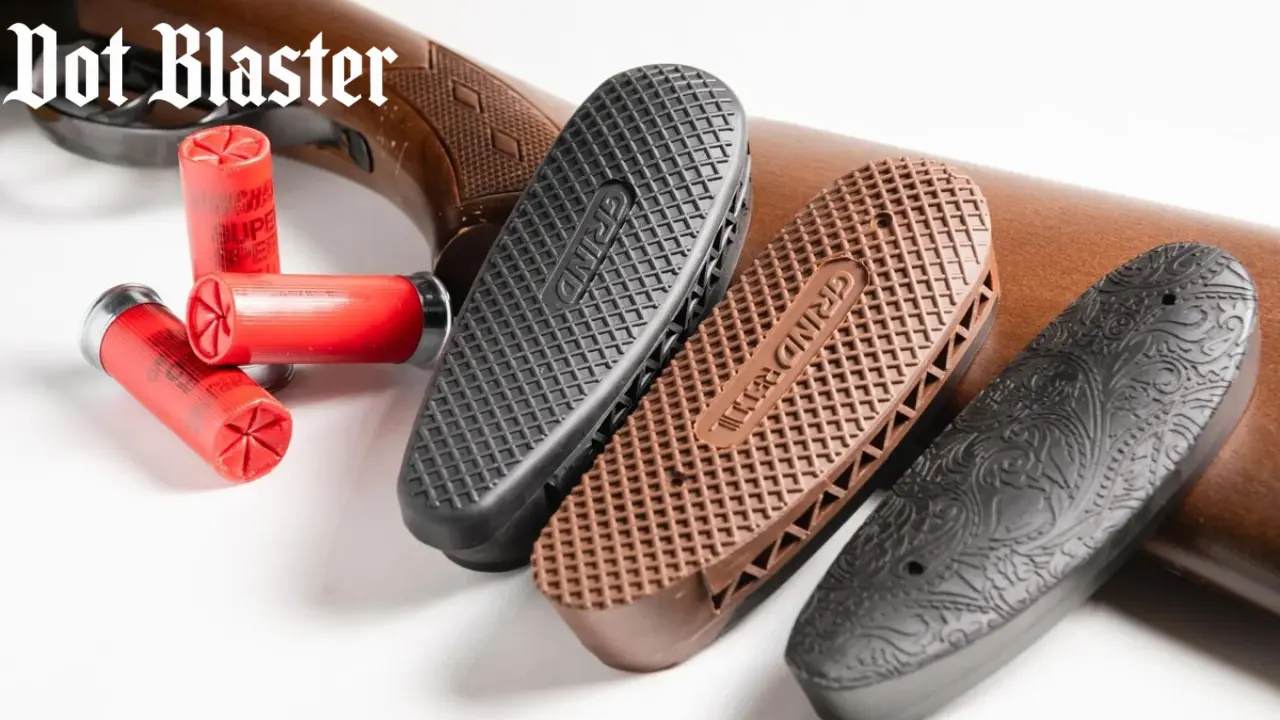
Does your shoulder hurt after a long day at the range? You are not alone. Many shooters deal with sore shoulders after shooting a shotgun. The good news is simple. A great recoil pad can fix this problem fast. In this guide, we will help you find the best shotgun recoil pad for your needs. We will explain how they work, what to look for, and how to pick the right one. By the end, you will shop with confidence. Let’s dig in.
What Is a Shotgun Recoil Pad?
A recoil pad is a soft piece that sits on the back of your gun stock. It touches your shoulder when you shoot. Its job is to soak up the kick from firing. Without one, that kick can hurt. With a good pad, the kick feels much softer.
Most pads are made from rubber, foam, or gel. Some use more than one material together. The best shotgun recoil pad blends comfort with a firm grip against your shoulder. This keeps your aim steady while also cutting down on pain. Think of it like a cushion between you and the force of the shot. It is a small part, but it makes a big difference in how you feel after shooting.
Why Recoil Matters More Than You Think
Recoil is the backward push you feel when a shotgun fires. It happens because of simple physics. Every action has an equal and opposite reaction. When the shot leaves the barrel, your gun pushes back into you. Heavier loads and bigger gauges create stronger recoil.
Over time, repeated recoil can cause real harm. It can bruise your shoulder. It can cause flinching, which hurts your aim. Some shooters even develop a fear of pulling the trigger. This is called recoil anticipation, and it ruins accuracy. A quality recoil pad reduces this fear. It protects your body and your confidence. That is why finding the best shotgun recoil pad is not just about comfort. It is about shooting better and staying safe for years to come.
Who Really Needs a Recoil Pad?
You might think recoil pads are only for beginners. That is not true at all. Hunters who shoot heavy turkey or slug loads need strong padding. Skeet and trap shooters who fire hundreds of rounds a day need it too. Young or smaller shooters often feel recoil more sharply. Older shooters with joint pain also benefit greatly.
Even seasoned shooters with years of experience use recoil pads. Many say it helped them enjoy the sport again after shoulder pain almost made them quit. If you shoot more than a few rounds per outing, a pad is worth it. The best shotgun recoil pad is not a luxury item. It is a smart tool for anyone who wants to shoot longer and feel better doing it.
Types of Shotgun Recoil Pads
There are a few main types of recoil pads on the market. Each type fits different needs and skill levels.
Slip-on pads stretch over your existing stock. They are easy to add and remove. No tools are needed most of the time. They work well for a quick fix or for testing what you like.
Screw-on pads replace the factory buttplate completely. A gunsmith often installs these for a perfect fit. They tend to look cleaner and perform better long term.
Adjustable or modular pads let you change thickness or angle. This helps you get the perfect length of pull.
Gel-infused pads use a gel layer inside rubber or foam. This layer spreads out the force of recoil across a wider area. Knowing these types helps you choose the best shotgun recoil pad for your exact gun and shooting style.
Materials That Make the Difference
Not all recoil pad materials work the same way. The material inside your pad decides how well it absorbs shock.
Solid rubber is the most common and affordable choice. It is durable and simple. It works fine for light shooting but may not be enough for heavy loads.
Foam-based pads are softer and often lighter. They compress easily, which some shooters enjoy. But foam can wear out faster over time.
Gel or hydraulic-style pads are usually the top performers. They use fluid or gel pockets that flex and absorb energy smoothly. Many shooters agree these give the softest feel of all.
Hybrid pads combine rubber and gel layers for balance. When comparing options, think about how the material feels and lasts. The best shotgun recoil pad usually uses a blend of firm support and soft cushioning material.
Key Features to Look for in a Recoil Pad
Picking a recoil pad is not just about the brand name. A few key features really matter.
First, look at thickness. Thicker pads absorb more shock but can change your gun’s length of pull. Second, check the surface texture. A pad with some grip stops your gun from slipping on your shoulder during recoil. Third, consider the shape. A pad that matches your stock’s curve looks better and fits snugly.
Fourth, think about weather resistance. Rubber and gel pads should handle rain, cold, and heat without cracking. Fifth, check ease of installation. Some pads snap on in minutes, while others need trimming and fitting. Last, look at weight. Adding a heavy pad changes your gun’s balance. The best shotgun recoil pad checks all these boxes without forcing you to give up performance elsewhere.
How to Measure for the Right Fit
Getting the right size matters as much as picking a good brand. A pad that is too big or too small will not work well.
Start by measuring your current buttplate or pad. Note the width, height, and thickness. Many recoil pads are labeled small, medium, or large based on stock size. If you shoot a youth or compact gun, look for pads made just for that size.
Next, think about your length of pull. This is the distance from the trigger to the back of the stock. Adding a thick pad increases this length. If your gun already fits well, choose a slim profile. If you need more length, a thicker pad can help two ways at once. Careful measuring means you get the best shotgun recoil pad match on the very first try, without wasted money.
Best Shotgun Recoil Pad Options for Different Shooters
Different shooters need different things from a recoil pad. Here is how to match your choice to your situation.
For heavy recoil, like 12-gauge slugs or magnum turkey loads: choose a thick gel-hybrid pad. These absorb the most punishing kick.
For young or new shooters: pick a soft foam pad with a slim design. Comfort matters more than looks at this stage.
For competitive clay shooters: go with a slightly firmer pad that keeps mounting fast and consistent, since they shoot many rounds in a row.
For hunters who move through brush: a low-profile rubber pad that will not snag on clothing works best.
For older shooters or those with shoulder injuries: the best shotgun recoil pad is often a soft, wide gel model that spreads force over a larger area. Matching the pad to your exact use makes a real difference in comfort.
How to Install a Recoil Pad at Home
Many shooters install recoil pads themselves. It is easier than it sounds, especially with slip-on styles.
For a slip-on pad, simply stretch the opening and slide it over your existing buttplate. Make sure it sits flush and does not bunch up. This step usually takes less than five minutes.
For a screw-on pad, first remove the old buttplate using a screwdriver. Then place the new pad against the stock and mark the screw holes. Some pads need slight sanding or trimming to match your stock’s shape exactly. Once it fits, screw it in firmly. If you feel unsure, a local gunsmith can install it in minutes for a small fee. Either way, installing the best shotgun recoil pad yourself can save money and give you a sense of pride in your gear.
Recoil Pad vs. Recoil Reducer: What’s the Difference?
These two terms often get confused, but they are not the same thing.
A recoil pad is the outer cushion you feel against your shoulder. It absorbs shock at the point of contact. A recoil reducer, on the other hand, is usually a weight or mechanism placed inside the stock. It works by shifting mass or using springs to lessen the felt kick before it even reaches the pad.
Many serious shooters use both together for maximum comfort. The recoil reducer handles the internal physics, while the best shotgun recoil pad manages the final point of contact. If you shoot heavy loads often, combining both tools gives you the smoothest experience possible. For most casual shooters, though, a quality recoil pad alone solves the problem just fine.
Common Mistakes Shooters Make with Recoil Pads
Even good shooters make mistakes when choosing or using recoil pads. Here are the most common ones to avoid.
Buying based on price alone. Cheap pads often use low-grade rubber that hardens quickly in cold weather, making them less effective right when you need them most.
Ignoring the length of pull. Adding a thick pad without adjusting your stock can throw off your natural aim.
Skipping proper installation. A poorly fitted pad can shift during recoil, causing bruising instead of preventing it.
Not replacing worn pads. Old, hardened pads lose their cushioning ability over time, so check yours every season.
Choosing looks over function. A stylish pad that does not absorb shock defeats the purpose. Avoiding these mistakes helps you truly enjoy the benefits of the best shotgun recoil pad you choose.
Caring for and Maintaining Your Recoil Pad
A good recoil pad can last for years if you take care of it properly. Simple habits go a long way.
Clean your pad after each use with a soft, damp cloth. Avoid harsh chemicals, since they can dry out rubber and gel materials. Store your shotgun in a cool, dry place. Extreme heat can cause pads to warp or crack over time, while extreme cold can make them stiff and less effective.
Check the surface regularly for cracks or flattening. A pad that feels hard instead of springy is due for replacement. Rotate slightly during storage if your pad shows uneven wear from repeated shoulder contact. With this simple care routine, even a budget-friendly pad performs closer to premium quality, and a genuinely excellent one lasts even longer.
Budget vs. Premium Recoil Pads: Is It Worth Spending More?
Shoppers often wonder if pricier recoil pads are truly better. The honest answer is: often, yes, but not always.
Budget pads, usually under a certain price point, use basic rubber and simple shaping. They work fine for light shooting and casual range days. Premium pads use advanced gel layers, better shaping, and higher-grade rubber that resists cracking longer.
If you shoot only a few times a year with lighter loads, a budget pad may serve you well. If you shoot often, use heavy loads, or have shoulder sensitivity, spending more is a smart investment. Think of it as paying for comfort now to avoid pain later. Many shooters say the best shotgun recoil pad they ever bought was a mid-range option that balanced price and performance perfectly.
Real Talk: What Experienced Shooters Say
Talk to any longtime shooter, and you will hear similar stories. Many started with no pad at all and regretted it after sore shoulders and flinching became a problem.
One common piece of advice is to try before you buy when possible. Feel how a pad compresses with your hand before mounting it. Another tip is to replace factory pads immediately on new guns, since stock pads are often the cheapest option available.
Experienced shooters also stress fit over flash. A pad that looks amazing but does not match your stock shape will slip and shift. Trust comes from testing, not just trusting a label. These real-world lessons matter because they come from people who have felt the difference firsthand, not just from marketing claims.
Final Thoughts: Choosing the Best Shotgun Recoil Pad for You
Choosing the right recoil pad does not have to be complicated. Start by thinking about how often you shoot and what loads you use most. Match the material, thickness, and shape to your specific gun and body. Remember that comfort leads to better accuracy, and better accuracy leads to more enjoyable days at the range or in the field.
Take your time measuring and researching before you buy. A little effort now saves you from wasted money and sore shoulders later. Whether you are a hunter, a competitive shooter, or someone just starting out, the right pad changes everything about your experience. Ready to upgrade your gear? Take a look at your current stock today, measure it, and start comparing options. Your shoulder will thank you on your very next outing.
Frequently Asked Questions
1. How do I know if I need a new recoil pad? If your current pad feels hard, cracked, or flat, it is time to replace it. Also, if your shoulder feels sore after normal shooting sessions, upgrading is a smart move.
2. Can a recoil pad really change my length of pull? Yes, adding a thicker pad increases your length of pull. Always measure carefully so your stock still fits your body and shooting stance correctly.
3. Are gel recoil pads worth the extra cost? For most heavy shooters, yes. Gel pads absorb shock more evenly and often last longer than basic rubber options, making the extra cost worthwhile.
4. Can I install a recoil pad myself without a gunsmith? Slip-on pads are very easy to install at home. Screw-on pads take a bit more skill but are still doable with basic tools and patience.
5. Do recoil pads work for all shotgun gauges? Yes, recoil pads help with every gauge, though thicker, higher-grade pads help most with 12-gauge and heavier magnum loads.
6. How often should I replace my shotgun recoil pad? Most pads last two to five years with normal use. Check yours each season for hardness or cracking, and replace it sooner if you shoot often.
View Also :US Polo Assn vs Polo Ralph Lauren: The Real Difference Explained
